Stamped Concrete vs. Pavers for Commercial Properties: Pros and Cons
People seeking commercial stamped concrete installation are often comparing it to pavers, and local contractors can help determine the best option for durability and appearance.
Choosing the right surface for commercial properties involves weighing the benefits and drawbacks of options like stamped concrete and pavers. Property owners in the area often explore this topic to find durable, visually appealing solutions that meet their specific needs, whether for parking lots, walkways, or outdoor gathering spaces. Understanding the practical differences between stamped concrete vs. pavers for commercial properties: pros and cons can help make informed decisions, especially when considering factors such as maintenance, longevity, and overall appearance. Local contractors experienced in stamped concrete installation can provide valuable insights and quality craftsmanship to ensure the chosen surface complements the property’s functionality and aesthetic goals.
As property managers and business owners evaluate their options, it’s important to consider how each material performs over time and under heavy use. Pavers are known for their ease of repair and classic look, while stamped concrete offers a seamless, customizable surface that can mimic other materials at a potentially lower long-term maintenance cost. Exploring these aspects in detail can help clarify which choice aligns best with the property’s operational demands and visual preferences. Local service providers specializing in stamped concrete installation are well-equipped to assist with this decision, offering expertise to achieve a durable, attractive surface tailored to commercial needs.
- Commercial stamped concrete installation - ideal for properties seeking durable, decorative surfaces that mimic natural stone or brick with minimal maintenance, with local contractors focusing on precise finishing techniques.
- Pavers for commercial properties - suitable for projects requiring easy repair and replacement options, with local service providers emphasizing proper installation to prevent shifting or uneven surfaces.
- Stamped concrete vs. pavers for commercial properties: pros and cons - local pros can help evaluate the longevity, appearance, and maintenance needs of each option to match the specific needs of a commercial space.
- Stamped concrete installation services - often chosen for large areas needing a seamless, uniform look, with local contractors skilled in achieving consistent patterns and textures.
- Paver installation for commercial properties - preferred when flexibility and ease of repairs are priorities, with local service providers ensuring proper base preparation for stability.
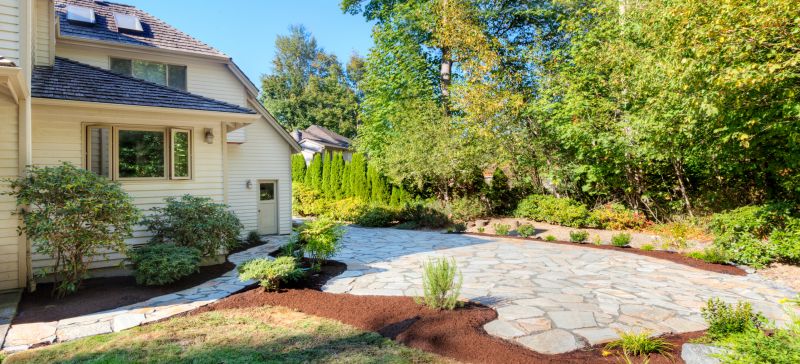
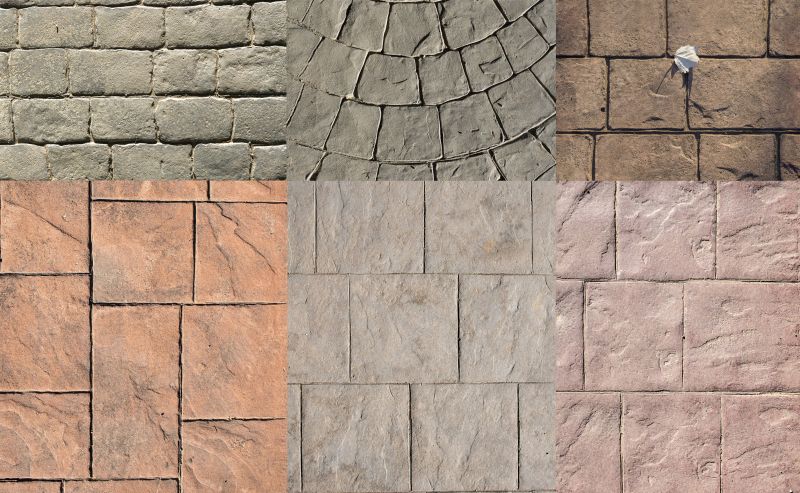
When searching for information on stamped concrete vs. pavers for commercial properties, most people are exploring options for enhancing outdoor spaces such as parking lots, walkways, patios, or entrance areas. These searches often relate to plans for improving curb appeal, increasing durability, or managing high foot and vehicle traffic. Property managers, business owners, and facility managers typically want solutions that balance visual appeal with long-term performance, making it essential to understand the advantages and disadvantages of each material. This topic connects directly to projects that aim to create attractive, functional outdoor environments that can withstand frequent use and exposure to the elements.
The decision between stamped concrete and pavers often involves considering specific property needs, such as load-bearing capacity, maintenance requirements, and design flexibility. Commercial properties like retail centers, office complexes, restaurants, and industrial sites frequently come up in these discussions because they require durable surfaces that can handle heavy traffic without quickly deteriorating. Problems such as cracking, uneven surfaces, or shifting can influence the choice, and plans often include installing new walkways, decorative entryways, or parking areas. Local contractors who specialize in stamped concrete installation or paver installation can provide valuable expertise to help property owners choose the right solution based on these operational considerations.
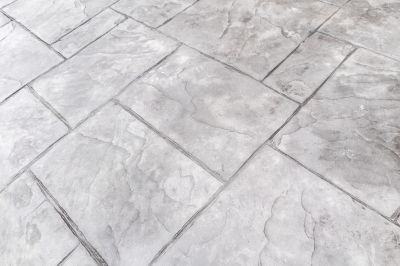
Stamped concrete for commercial properties is popular because it offers an attractive, seamless surface that can mimic more expensive materials like stone, brick, or slate through decorative patterns and coloring. Its ability to be poured in place allows for customization and integration with existing structures, making it a versatile choice for large-scale projects. However, stamped concrete can be prone to cracking over time if not properly installed or maintained, especially under heavy loads or extreme weather conditions. On the other hand, pavers are known for their modular design, which makes repairs straightforward-damaged or stained pavers can be replaced individually without disturbing the entire surface. This flexibility can be particularly beneficial for properties that anticipate future modifications or expansions.
Choosing between stamped concrete and pavers for commercial properties involves weighing factors such as cost, longevity, maintenance, and aesthetic preferences. Local service providers who specialize in commercial stamped concrete installation or paver installation can assist property owners in evaluating these factors in relation to their specific plans. For example, a business looking for a highly decorative entrance might lean toward stamped concrete for its ability to mimic natural materials with a smooth finish, while a property with high vehicle traffic may prefer pavers for their durability and ease of repair. Understanding these distinctions helps owners make informed decisions that align with their property's functional needs and visual goals, ensuring the outdoor space remains attractive and practical over time.
Concrete Finishing Projects - Local contractors skilled in concrete finishing can handle stamped concrete installations and are familiar with surface preparation for durable commercial applications.
Paving Installation - Pavers require precise planning and laying techniques, which local service providers experienced in paving can deliver for commercial outdoor spaces.
Landscape Design and Hardscaping - Professionals in hardscaping can integrate stamped concrete or paver features into broader landscape plans for functional and aesthetic commercial properties.
Surface Repair and Restoration - Repairing stamped concrete or paver surfaces involves matching patterns and materials, a task performed by specialists in surface restoration services.
Outdoor Flooring Projects - Installing durable outdoor flooring for commercial patios or walkways involves skills similar to those used in stamped concrete and paver installation.
Site Preparation and Grading - Proper site prep is essential for both stamped concrete and paver projects, and local contractors experienced in grading can ensure a stable foundation for these surfaces.
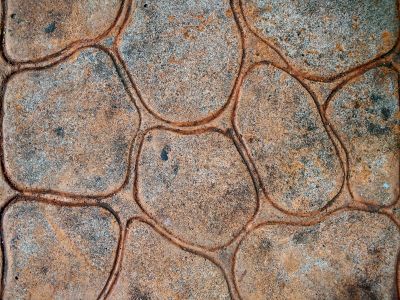
When evaluating contractors for stamped concrete installation services in commercial properties, it is important to consider their experience with similar projects. A contractor with a proven track record in commercial stamped concrete can demonstrate familiarity with the specific requirements, durability standards, and design complexities involved in such work. Asking for references or examples of past projects can provide insight into their expertise and help ensure they understand the nuances of commercial applications. Clear communication about project expectations, including design preferences, surface longevity, and maintenance considerations, is essential to align expectations and avoid misunderstandings later in the process.
Comparing local service providers also involves assessing their ability to set clear, written expectations for the scope of work. Well-defined project plans should outline the materials, finishes, and installation procedures to be used, as well as timelines and responsibilities. This clarity helps prevent surprises and ensures that both parties are aligned on the project’s goals. Reputable contractors will be transparent about their processes and willing to discuss any questions or concerns, fostering a collaborative approach. Good communication throughout the project is vital, especially when addressing unforeseen issues or adjustments that may arise during installation.
Finally, it is beneficial to seek reputable references and verify the credibility of each service provider. Reliable contractors should be able to provide contacts or testimonials from previous clients, particularly those with similar commercial projects. This feedback can offer valuable insights into their professionalism, reliability, and quality of work. When comparing local pros, it is also important to consider how effectively they communicate-whether they respond promptly, listen carefully, and provide thorough explanations. Choosing a contractor with a strong reputation for clear, consistent communication can help ensure the project runs smoothly and meets the specific needs of commercial stamped concrete or paver installations.
Property owners often search for stamped concrete vs. pavers for commercial properties: pros and cons when they are planning practical projects around their homes and businesses. Local pros provide Commercial Stamped Concrete Installation services for everyday jobs and straightforward project options.
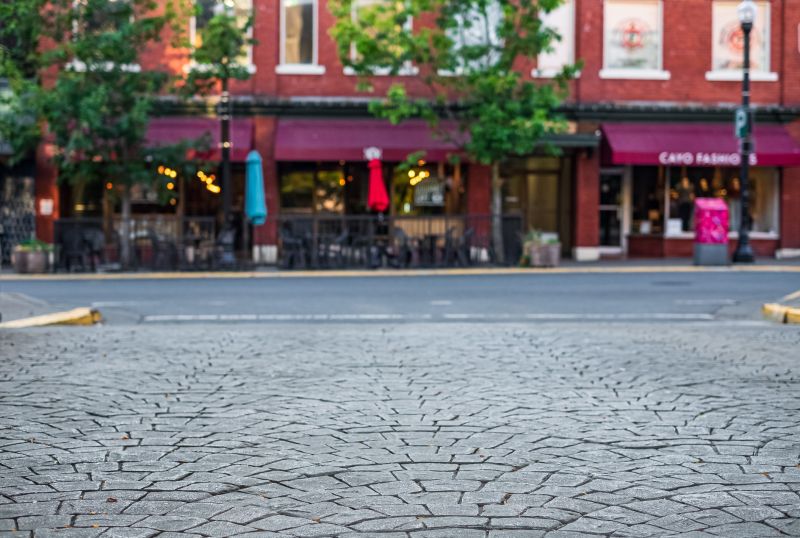
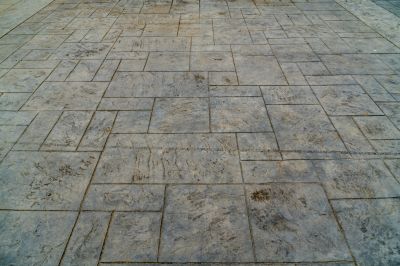
When property owners in the area explore options like stamped concrete versus pavers for their commercial spaces, they often consider factors such as durability, appearance, and maintenance needs. Stamped concrete tends to offer a seamless, uniform surface that can mimic more expensive materials like stone or brick, making it a popular choice for high-traffic areas that require a sleek look. Pavers, on the other hand, provide a modular system that can be easily repaired or replaced if damaged, which can be advantageous for properties that experience heavy use or occasional impacts. Local contractors specializing in stamped concrete installation can help evaluate the specific needs of a commercial property, ensuring the chosen material aligns with both aesthetic goals and practical considerations.
Business owners searching for the right outdoor surface solution might also weigh installation complexity and long-term upkeep. Stamped concrete typically requires a more involved initial installation process but can be easier to clean and maintain over time. Pavers may involve a simpler installation process but could need periodic resetting or replacement of individual units. Local service providers can guide property owners through these pros and cons, helping them understand which option best suits their operational environment, traffic levels, and desired visual appeal. This helps ensure that the chosen surface enhances the property's functionality while fitting within its overall design plan.
What are the main differences between stamped concrete and pavers for commercial properties? Stamped concrete offers a seamless surface with customizable patterns and colors, while pavers consist of individual units that can be replaced easily. Local contractors can help assess which option suits the property's aesthetic and functional needs.
Which material is more durable for high-traffic commercial areas? Pavers are generally more durable under heavy traffic because individual units can shift or be replaced if damaged. Local service providers can advise on the best choice based on traffic levels and maintenance requirements.
How do stamped concrete and pavers compare in terms of installation complexity? Stamped concrete typically requires a more involved pouring and stamping process, whereas pavers are laid out in a pattern, which can be quicker. Local pros have the expertise to ensure proper installation for both options.
Are there differences in maintenance needs between stamped concrete and pavers? Pavers usually require periodic weed control and joint refilling, while stamped concrete may need sealing and crack repairs over time. Local contractors can provide guidance on ongoing maintenance for each material.
Can stamped concrete or pavers be customized to match a commercial property's branding? Yes, stamped concrete can be customized with various patterns and colors to mimic other materials, and pavers come in different shapes and colors for unique designs. Local service providers can help create a tailored look that aligns with branding goals.
Assessing durability needs - property owners can evaluate whether stamped concrete or pavers better withstand foot and vehicle traffic for their specific commercial space, with local contractors providing expert guidance.
Considering aesthetic goals - choosing between stamped concrete and pavers can be based on the desired visual appeal, as local service providers can help match styles to the property's branding or design theme.
Planning for maintenance - property owners might consider the long-term upkeep of each surface type, with local pros offering advice on cleaning and repair requirements for stamped concrete versus pavers.
Evaluating installation options - deciding on the best surface involves understanding installation complexity, where local contractors can recommend the most practical solution for the project's scope and location.
If you are thinking about stamped concrete vs. pavers for commercial properties: pros and cons for a property, this guide is meant to help you understand this topic, the typical project types, and how different options might fit your plans.
When you are ready, you can use the quote form on this page to share a few details about your project. From there, local pros can review the basics and follow up with options that match what you have in mind.